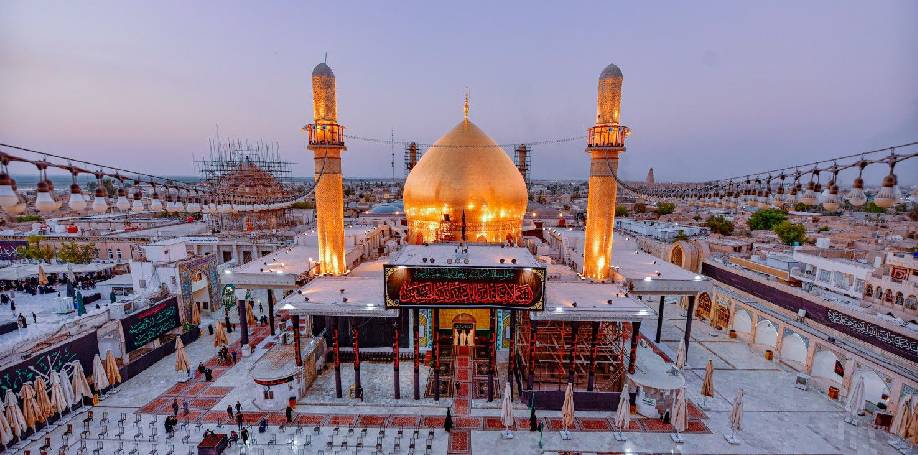
In the heart of modern-day Iraq lie the ruins of Samarra, a city that once shone as the magnificent capital of the Abbasid Caliphate. Today, it is known to millions as a city of profound spiritual significance, a place of faith, patience, and mystery. Samarra is the final earthly home of two Shia Imams—Imam al-Hadi and his son, Imam al-Askari. But its holiness extends beyond their resting place; it is also the sacred ground from which the last Imam, the Mahdi, entered a state of concealment, making Samarra a city of endings and new beginnings.
The Two Imams: A Legacy of Patience Under Persecution
The story of Samarra is inseparable from the lives of the Two Imams who resided there.
- Imam Ali al-Hadi (the 10th Imam): He was summoned to Samarra by the caliph of the time, who both feared and respected the Imam’s growing influence. Under constant surveillance and house arrest, Imam al-Hadi became a spiritual guide for the Shia community, navigating immense political pressure with wisdom and resilience.
- Imam Hassan al-Askari (the 11th Imam): Following his father’s death, Imam al-Askari also lived under the watchful eye of the Abbasid authorities. His life was one of quiet defiance and deep scholarship. He was known as “al-Askari” because he lived in a military camp (
askar) area of Samarra. Together, the father and son established a model of leadership based on knowledge, piety, and steadfastness in the face of tyranny.
The Askariyyain Shrine: A Sanctuary of Faith
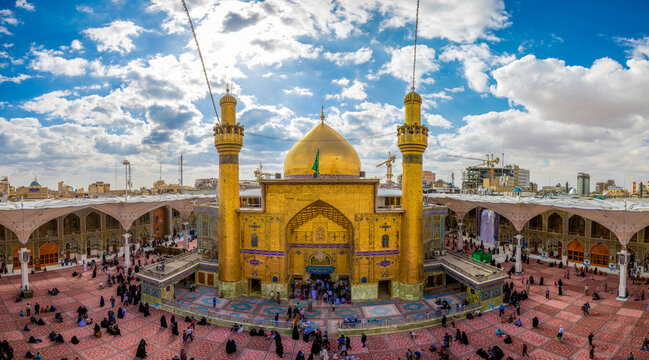
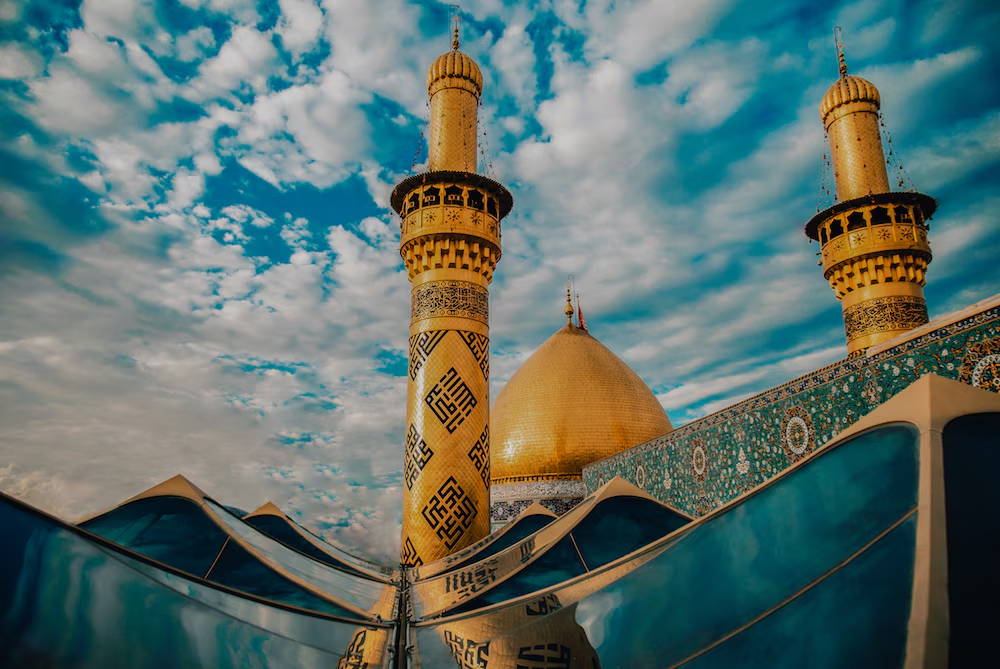
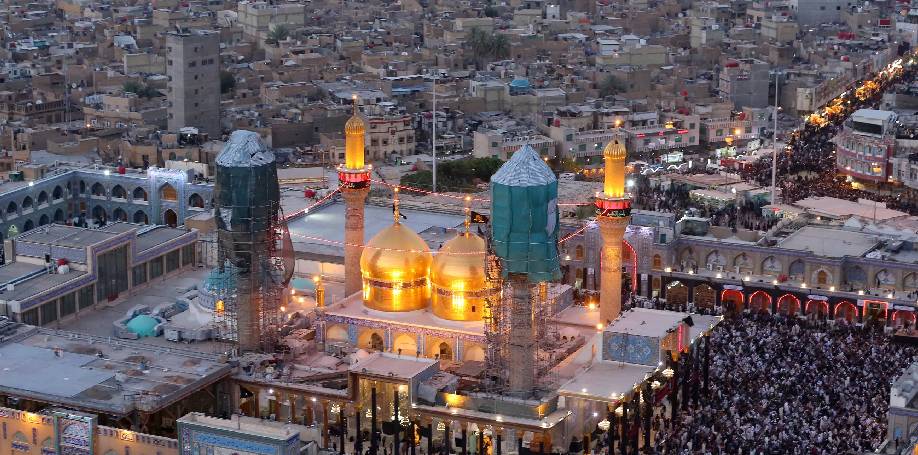
The spiritual center of Samarra is the Askariyyain Shrine, a complex that houses the tombs of both Imam al-Hadi and Imam al-Askari. The shrine is distinguished by its magnificent golden dome and its soaring minaret, known as the “Minaret of the Qal’a.” For centuries, this site was a beacon for pilgrims, a place where believers could connect with the legacy of the Imams who endured so much for their faith. Although the shrine has tragically been targeted by bombings in recent times, it has been rebuilt, its resilience mirroring the enduring spirit of the faith it represents.
The Gateway to Occultation: The Birth of a Mystery
The most profound event associated with Samarra is the beginning of the Occultation (Ghaybah) of the Twelfth Imam, Muhammad al-Mahdi. According to Shia belief, Imam al-Mahdi was born in Samarra in 869 CE. Due to the imminent threat to his life from the Abbasid caliph, he was miraculously concealed from the world at a young age. The site of his disappearance is believed to be a cellar (sirdab) connected to the shrine of his father, Imam al-Askari. This cellar, known as the “Ha’ir al-Sharif,” is one of the most sacred and visited sites in the complex. It is from this point in Samarra that the era of the Hidden Imam began, and it is to this city that believers look with a sense of deep connection and hope for his eventual return.
Samarra Today: A Testament to Unwavering Hope
Today, the holy city of Samarra stands as a powerful symbol of patience, faith, and hope. Despite the challenges and destruction it has faced, pilgrims continue to journey to this sacred site. They come not only to mourn the Imams who were confined here but also to connect with the living legacy of the Twelfth Imam. Samarra is a city that teaches a lesson of the ages: that even in the darkest moments of oppression and concealment, faith endures. It is a place that reminds the world that hope is a powerful force, and that from a small cellar in Samarra, a promise of universal justice was made—a promise that millions still await.