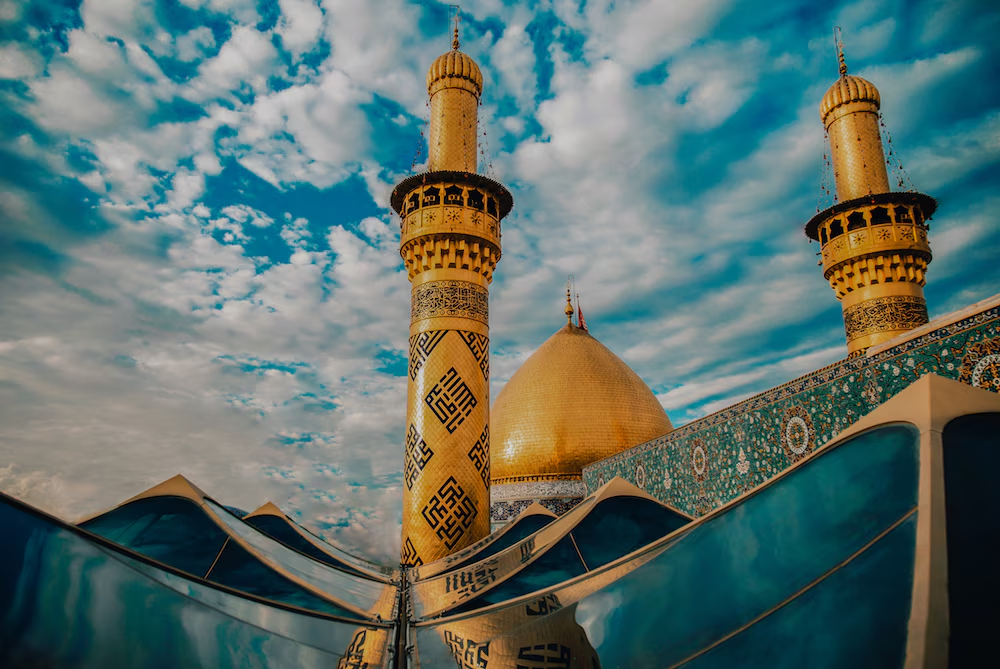
In the heart of modern-day Iraq lies a city whose name echoes through centuries of history, faith, and profound sorrow: Karbala. More than just a location on a map, Karbala is a spiritual epicenter, a destination for millions of pilgrims, and the eternal resting place of a man whose sacrifice redefined the meaning of justice. To understand Karbala is to understand a story that transcends time and continues to shape the conscience of millions around the world.
A City with Ancient Roots
The city of Karbala is one of Iraq’s most ancient cities, with a history that predates the tragic events of 680 AD. Its name is believed to be derived from the Arabic “Karb” (meaning grief) and “Bala” (meaning trial or tribulation), a name that prophetically captured its future destiny. Located about 100 kilometers southwest of Baghdad, the city was once a quiet desert land, but it was destined to become the stage for one of history’s most pivotal moments.
Imam Hussein and the Transformation of Karbala
The identity of Karbala is inseparable from Imam Hussein. Who was he? He was the grandson of Prophet Muhammad, the son of Imam Ali and Fatimah Zahra, and a figure of immense spiritual authority in Shia Islam. In the year 680 AD, Imam Hussein, along with his family and a small band of followers, made his way to Karbala. He was on a mission not of conquest, but of conscience. He refused to pledge allegiance to the tyrannical caliph Yazid, choosing instead to make a stand for justice, truth, and the true teachings of Islam. It was on the sands of this city that he and his 72 companions faced an army of thousands, culminating in the massacre on the Day of Ashura. This ultimate sacrifice transformed a barren land into the most sacred ground on Earth for his followers.
The Holy Shrines: Beacons of Spirituality
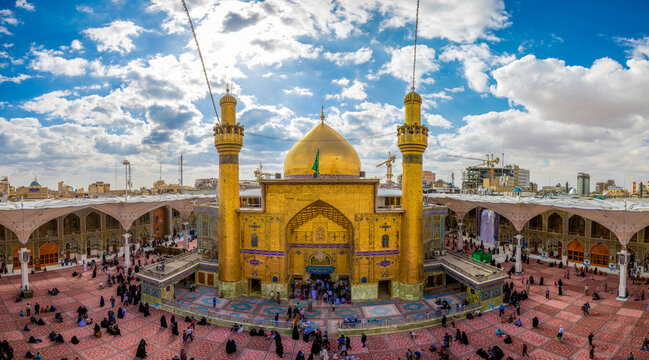
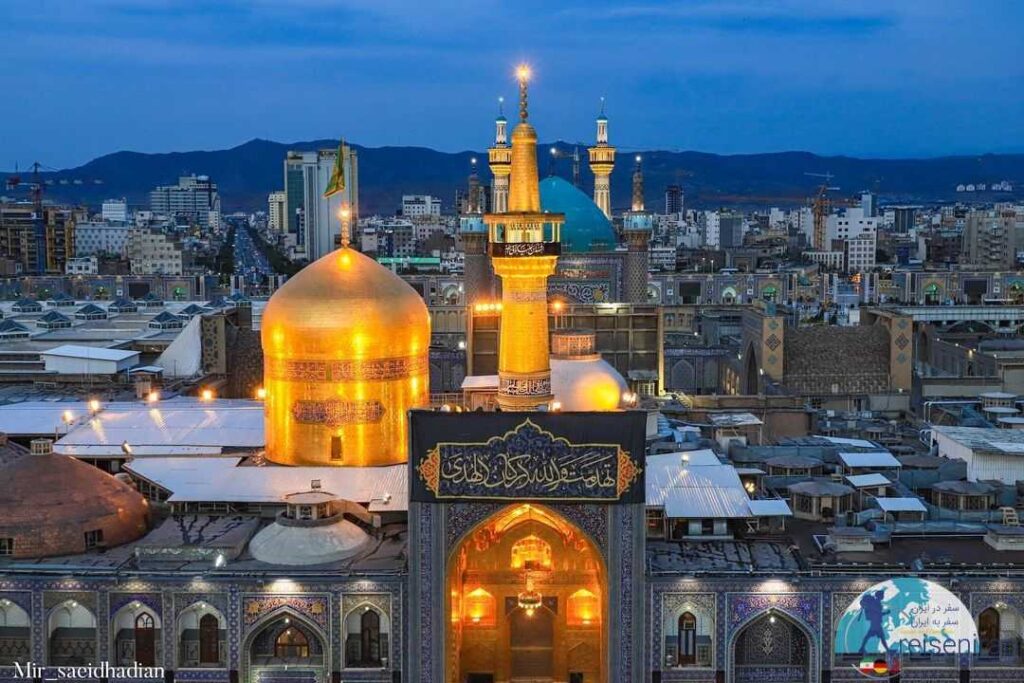
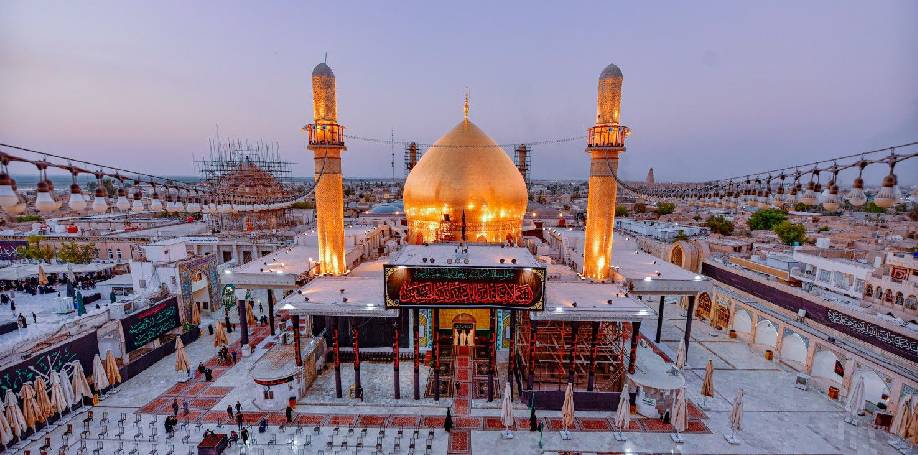
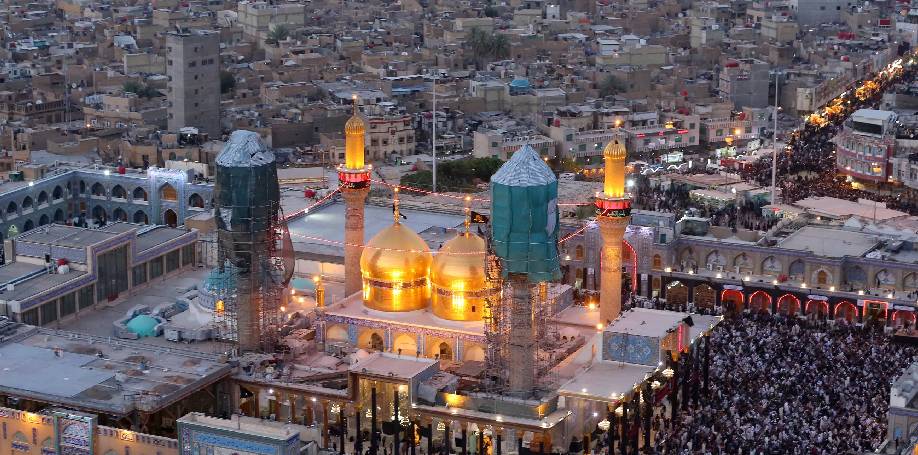
Today, the city of Karbala is dominated by two magnificent golden domes that mark the holy shrines at its core. These are not just buildings; they are sanctuaries of peace, prayer, and remembrance.
- The Shrine of Imam Hussein (Haram al-Hussein): This is the heart of the city. The breathtaking structure houses the tomb of Imam Hussein. Its intricate tilework, towering minarets, and serene courtyards create an atmosphere of profound reverence. For pilgrims, this is the ultimate destination for Ziyarat Karbala—a pilgrimage to pay respects and draw spiritual strength from the Imam’s sacrifice.
- The Shrine of Abbas ibn Ali (Haram al-Abbas): Located just a short walk away, this shrine honors Abbas, the half-brother and loyal standard-bearer of Imam Hussein. Known for his unwavering courage and devotion, his shrine is a symbol of loyalty and faith. The area between the two shrines is a sacred space known as the “Bayn al-Haramayn” (between the two holy shrines).
Karbala Today: A Living Legacy
The holy city for Shia Muslims is a vibrant, living testament to faith. Every year, especially during the months of Muharram and Safar, millions of people from around the world walk for miles to reach Karbala, reenacting the journey of the survivors of the battle. The city swells with pilgrims engaging in prayers, mourning rituals, and acts of charity. The spirit of Imam Hussein—his courage, his compassion, and his stand against oppression—is palpable in the air. Karbala is not a city of the past; it is a city where history lives, where every stone tells a story of love and sacrifice, and where the message of Imam Hussein continues to inspire a new generation to seek justice and walk the path of truth.