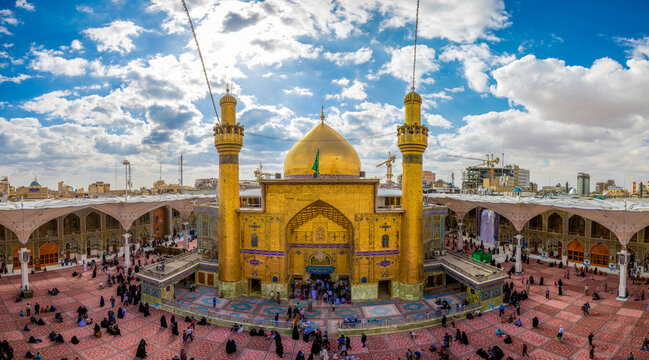
In the vast landscape of Iraq, there stands a city that radiates a unique spiritual and intellectual aura: Najaf. Known as the holy city of Najaf, it is not merely a destination but a profound center of faith, learning, and pilgrimage. For centuries, believers have been drawn to its sacred soil, for it is the eternal home of Imam Ali, the cousin and son-in-law of the Prophet Muhammad and the first Imam in Shia Islam. To visit Najaf is to walk in the footsteps of wisdom itself.
The City of Knowledge: Imam Ali’s Enduring Legacy
The soul of Najaf is embodied in the figure of Imam Ali. The Prophet Muhammad famously said of him, “I am the city of knowledge, and Ali is its gate.” This title, “Gate of Knowledge,” perfectly encapsulates Imam Ali’s legacy. He was renowned not only for his bravery and justice as a leader but also for his profound wisdom, eloquent sermons, and deep spiritual insight. His teachings, collected in works like Nahj al-Balagha (The Peak of Eloquence), continue to be a primary source of Islamic theology, philosophy, and ethics. It is this legacy of knowledge that has made Najaf a beacon for scholars and seekers of truth for over a thousand years.
The Magnificent Shrine of Imam Ali
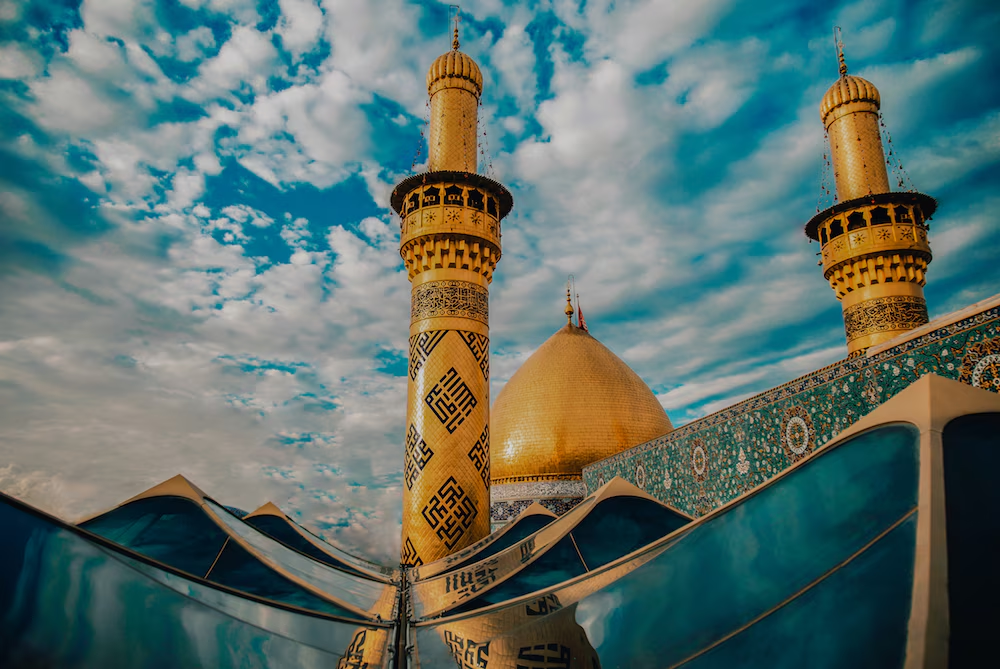
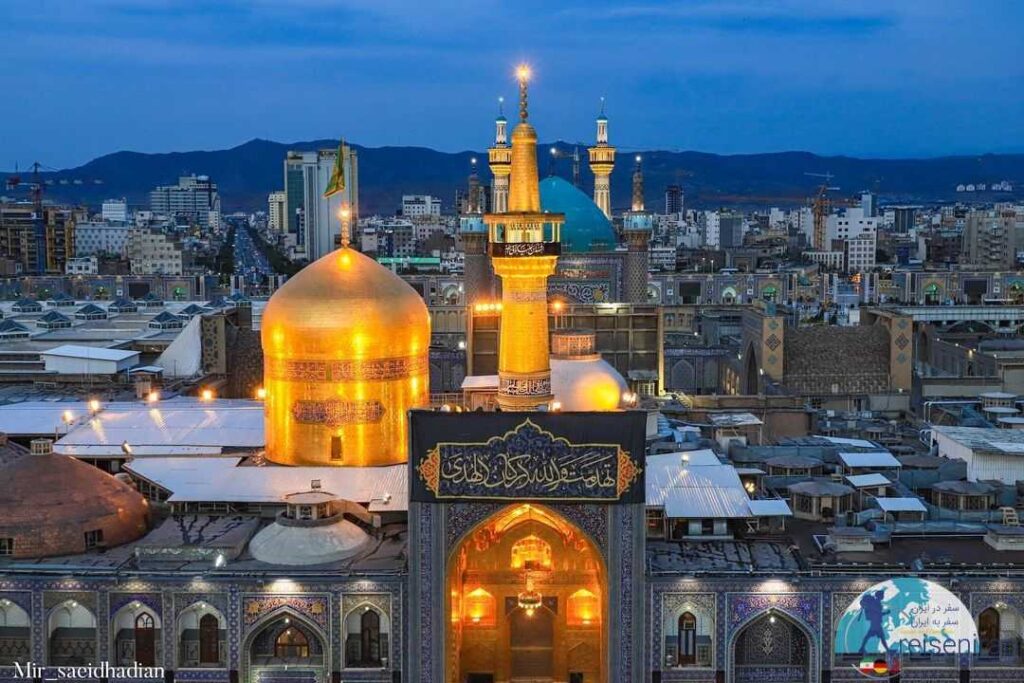
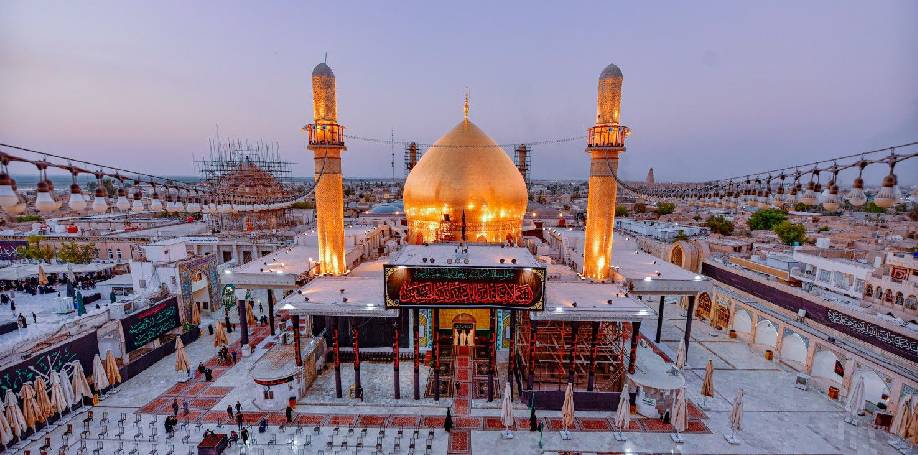
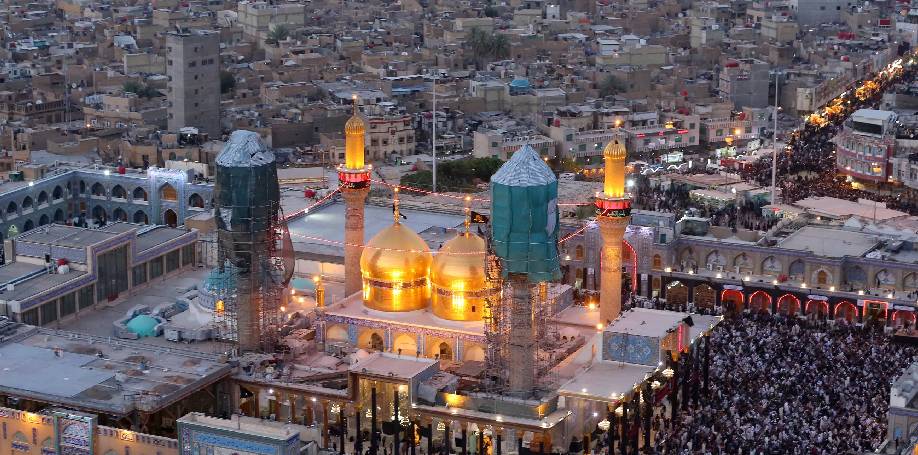
At the heart of the city lies its most precious treasure: the dazzling Shrine of Imam Ali. With its resplendent golden dome and intricate mosaic-covered walls, the shrine is an architectural masterpiece that inspires awe and reverence. Inside, the atmosphere is thick with spirituality as pilgrims from all over the world gather to pray, recite supplications, and pay their respects. The courtyard, with its towering minarets and reflective pools, provides a space for quiet contemplation. For any visitor, the experience of Ziyarat Najaf—the pilgrimage to this shrine—is a deeply moving and unforgettable spiritual journey.
Wadi al-Salam: The Valley of Peace
One of the most unique features of Najaf is the vast cemetery known as Wadi al-Salam, or the “Valley of Peace.” This is not just any cemetery; it is the largest Muslim cemetery in the world, stretching for miles. According to tradition, its sacredness is directly linked to Imam Ali, and believers from across the globe are buried here in the hope of being close to the Imam on the Day of Judgment. Walking through its paths, one sees a silent city of the departed, a powerful testament to the faith that draws millions to this holy ground. The presence of Prophets, saints, and countless scholars buried here adds to its profound spiritual significance.
Najaf Today: A Living Center of Islamic Scholarship
Beyond its role as a pilgrimage site, the holy city of Najaf remains one of the most important centers of Islamic learning in the world. Its ancient Hawzas (Islamic seminaries) have been, and continue to be, the alma mater for countless leading scholars, jurists, and thinkers. The sounds of students debating theology and law echo through the city’s bazaars and libraries, just as they have for centuries. Najaf is not a relic of the past; it is a vibrant, dynamic city where faith and reason continue to flourish side by side. It stands as a powerful reminder that the legacy of Imam Ali—the legacy of knowledge, justice, and unwavering faith—is very much alive.